

You’ve seen the white crust on your showerhead and the annoying spots on your glassware. Most homeowners write these off as “just a part of life.” But what if those spots were actually the “check engine light” for your entire home?
At ScaleFreeLife, we’re pulling back the curtain (and the drywall) to show you what’s actually happening inside your pipes.
The $10,000 Problem Hiding in Your Walls
Hard water isn’t just about how your water tastes; it’s about the minerals it carries. Calcium and magnesium act like “liquid rock.” Over time, these minerals settle, crystallize, and harden.
This process, known as scale buildup, creates a jagged, rock-hard lining inside your copper or PEX piping.
The 3 Warning Signs You Can’t Ignore:
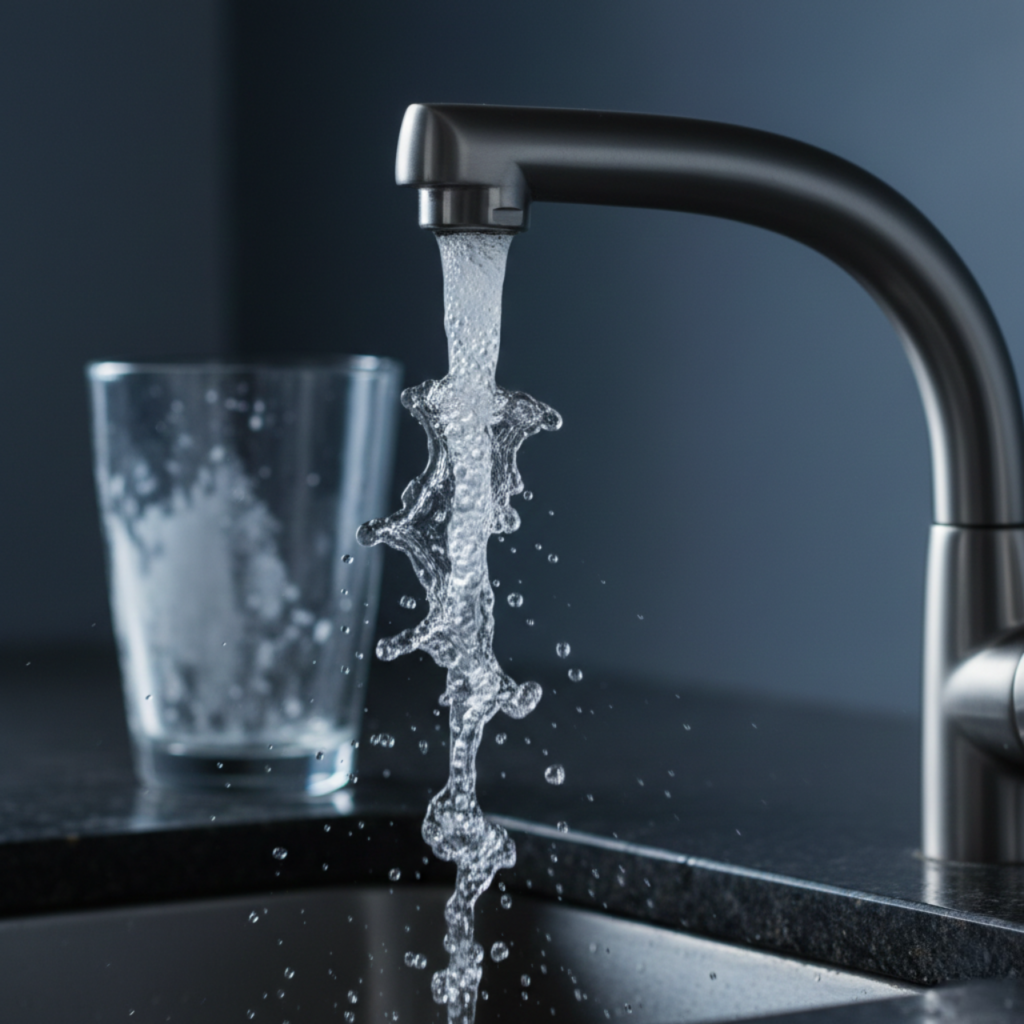
- The Sputtering Faucet: If your water pressure has dropped over the last year, it’s likely not the city’s fault. Your pipes are literally narrowing, forcing water through a smaller and smaller opening.
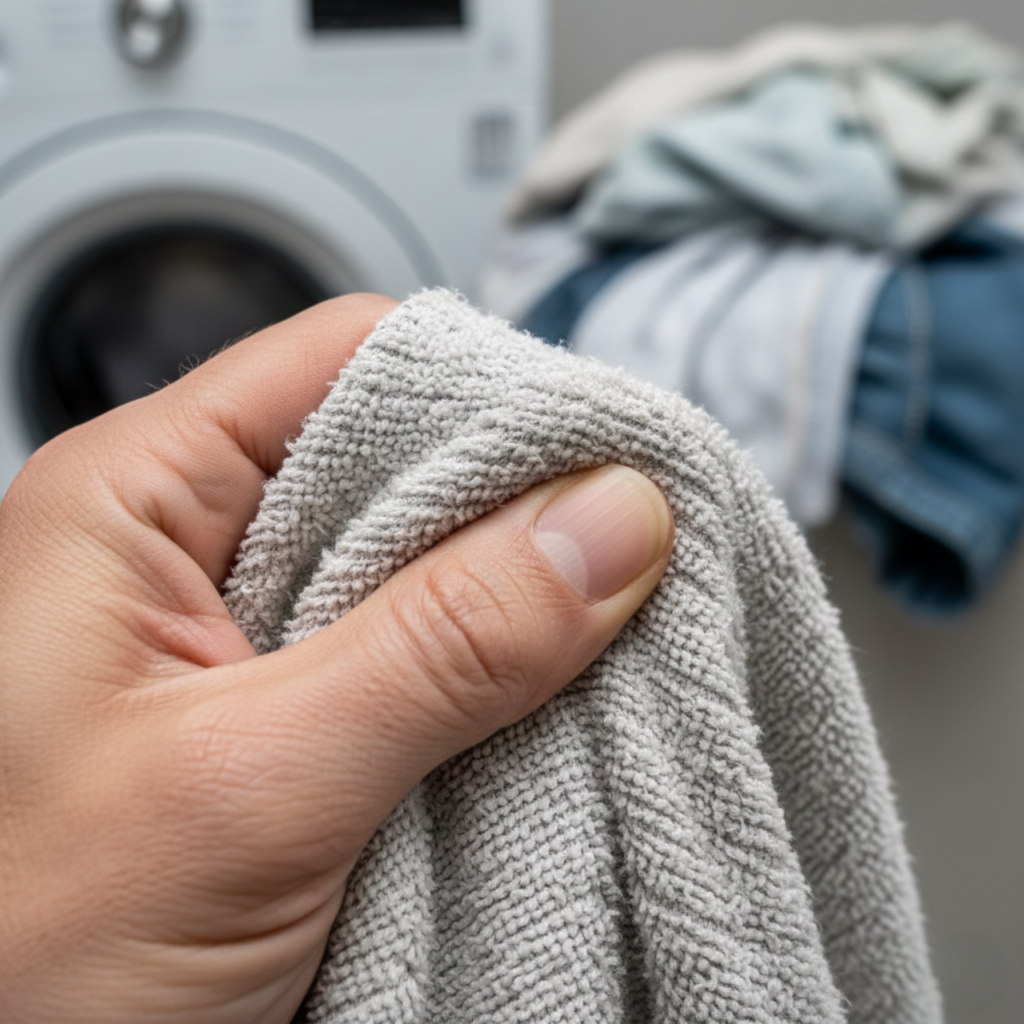
2. The “Stiff” Laundry: Minerals get trapped in fabric fibers, making towels feel like sandpaper and causing clothes to wear out 30% faster.
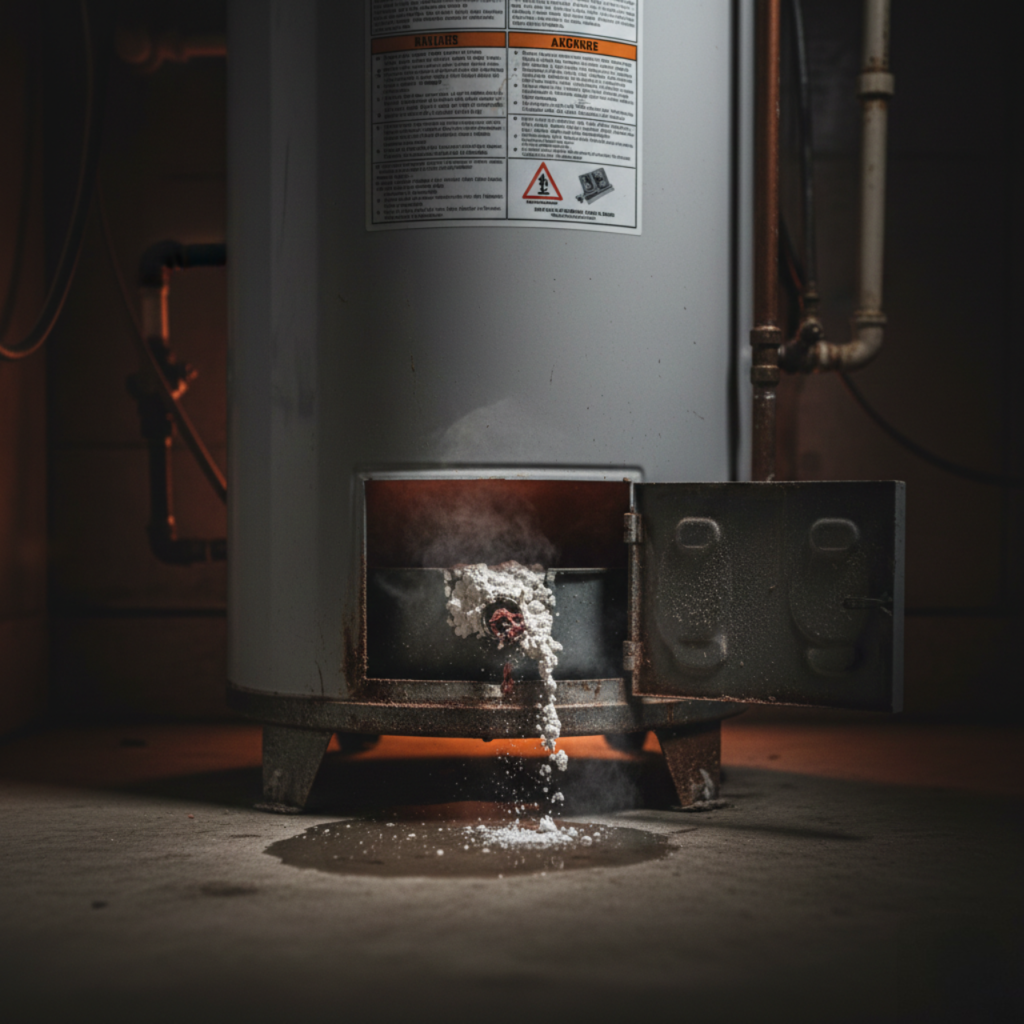
3. Appliance “Groaning”: If your water heater sounds like it’s popping or rumbling, that’s the sound of water trapped under a thick layer of sediment trying to boil. It’s a recipe for a premature—and expensive—replacement.
From “Choked” to “Crystal Clear”
The old-school solution was to dump bags of salt into a heavy tank. But we believe in a modern approach. The transition to a clear, high-performance filtration system doesn’t just “soften” the water; it protects the integrity of your home.
By neutralizing these minerals before they enter your taps, you aren’t just getting cleaner water—you’re performing preventative surgery on your plumbing.
Why the Switch Matters:
- Restore Flow: Stop the “choking” and get your water pressure back.
- Save Your Appliances: Extend the life of your dishwasher, laundry machine, and water heater by years.
- Lather & Glow: Experience better soap lather and healthier skin without the “slimy” feel of traditional salt softeners.
Take the Next Step
Don’t wait for a burst pipe or a dead water heater to realize there’s a problem. Your home is likely your biggest investment—it’s time to start protecting it from the inside out.
Ready to see the difference clear filtration can make? [Visit ScaleFreeLife.com to explore our systems and save your plumbing today.]